

What Market Making Games Really Teach You
Market making games place you inside a live order book where you post bids and offers to earn the spread. You quickly see how small edges add up only when you control position size and exit speed. The first 60 words already answer the query: these games train liquidity provision, spread management and inventory discipline in a risk-free setting you can replay at any time.
- Market making games teach real spread capture and inventory control.
- Timed decisions mirror live market pressure without capital loss.
- Skills transfer to chart reading and order execution in actual trading.
- Free browser versions let you practice daily at work or home.
How do market making games simulate real order flow?
You start each session with a neutral position and must keep buying and selling to stay balanced. Every quote you place sits in the book until hit, teaching you the cost of holding too long. A short scene: the mid-price ticks up while your long inventory grows, forcing an immediate sell to cut risk. The timer keeps pressure high so hesitation costs points exactly like slippage costs money outside the game.
Why does inventory management matter in market making games?
Inventory risk is the hidden killer most new traders ignore. In these games you watch your position size climb while the market moves against you. You learn to skew quotes or pause posting until balance returns.
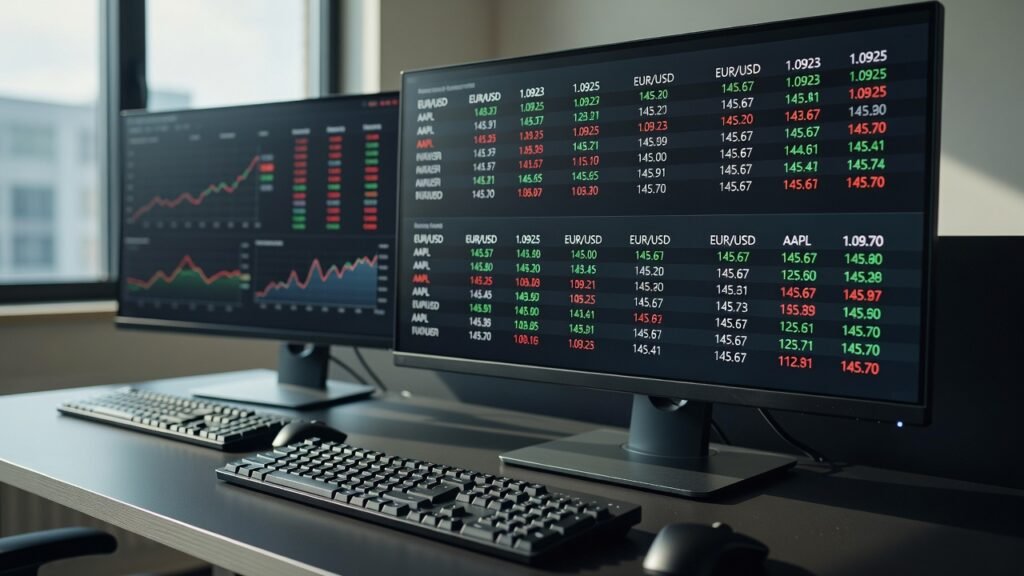
Practical steps you can copy today
- Set a hard inventory cap before you start quoting.
- Skew your bid or offer by one tick when momentum shifts.
- Flatten all positions at the end of each round.
What separates good market making games from simple clickers?
Good versions include realistic latency, partial fills and changing volatility. You feel the difference when your quote sits for seconds while price races away. Simple games just award points for any trade. The deeper ones track your average spread captured and maximum drawdown, giving numbers you can actually improve. Player-to-player markets add another layer because other humans adapt to your patterns the way real counterparties do.

How can you practice market making games at work or on low-spec devices?
Browser versions load instantly with no install. You open a tab, pick a short session length and play between meetings. Low-spec machines run fine because the graphics stay minimal and the focus stays on numbers and timers. Many adults use these sessions to sharpen focus without leaving their desk.
Where does World of FJU fit into market making practice?
The live candle market inside World of FJU forces the same quoting discipline through its player-driven order flow and long-short mechanics. You post positions while watching real-time candles form, then adjust when other players take the opposite side. The Bot Lab later lets you automate the same quoting rules you practiced manually, mirroring how real MQL5 robots handle market making logic.
World of FJU is educational. Trading real money carries risk of loss. In-game currency has no guaranteed value. Games with wagering or affiliate mechanics should be played for fun and learning, not income.
Out of invite codes? Our Discord is where players hand them out and help each other daily: https://discord.com/invite/Vg7CMseeU7
Frequently Asked Questions
Do market making games require prior trading knowledge?
No prior knowledge is required. The best ones start with simple quoting drills and add complexity only after you master inventory control.
Can I play market making games on a phone browser?
Most modern browser versions work on phones, though larger screens make order-book visibility easier during fast sessions.
How long should each practice session last?
Ten to fifteen minutes keeps focus sharp and prevents fatigue while still allowing enough trades to measure improvement.
Are market making games free?
Many quality options run entirely free in the browser with optional cosmetic upgrades that never affect core mechanics.