
Mock Stock That Actually Works
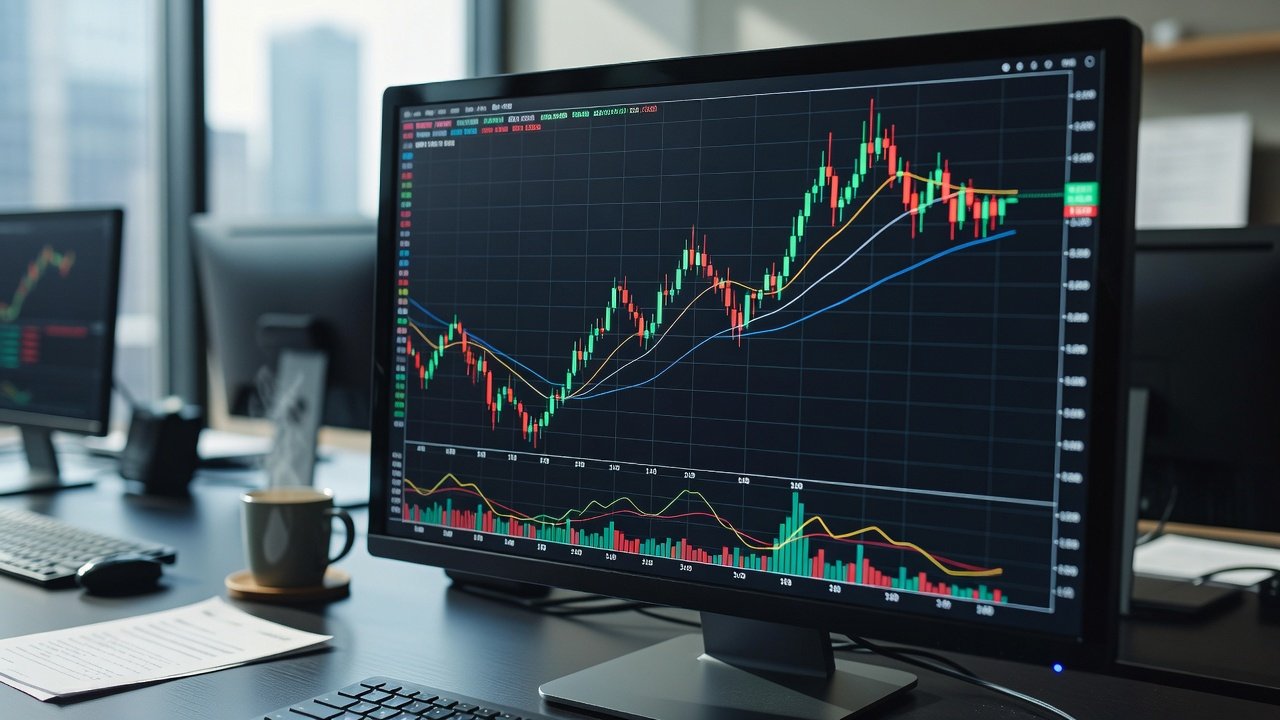
Mock stock gives you a live market environment where every decision stays risk-free. You open positions, watch price action, and close trades exactly like real markets demand. The repetition trains timing and discipline without financial loss.
- Mock stock builds chart reading and risk habits through repetition.
- Focus on one setup at a time until execution feels automatic.
- Track every trade outcome to spot patterns in your decisions.
- Move from simulator to live markets only after consistent results.
How does mock stock improve real trading decisions?
You open a position on a rising candle pattern. The price stalls and you exit before the reversal hits. That single cycle teaches entry timing better than any textbook. Repeat the same setup across dozens of sessions and the reaction becomes second nature.
- Study one chart pattern per session.
- Log entry price, stop, and target before placing the trade.
- Review the outcome within five minutes of closing.
- Adjust only the variable you tracked.
What makes a mock stock session effective?
Effective sessions limit scope. Choose one market, one time frame, and one setup. Trade only when that setup appears. This narrow focus prevents scattered practice and forces clear feedback on each decision.
Session structure that sticks
- Ten-minute chart review before any trades.
- Maximum five trades per hour.
- Written notes on why each entry felt valid.
- End-of-session summary of what worked and what failed.
Which tools turn mock stock into skill transfer?
Use the same charting platform you plan to trade live. Match the order types, margin settings, and execution speed. When the interface feels identical, the muscle memory carries over without extra adjustment.
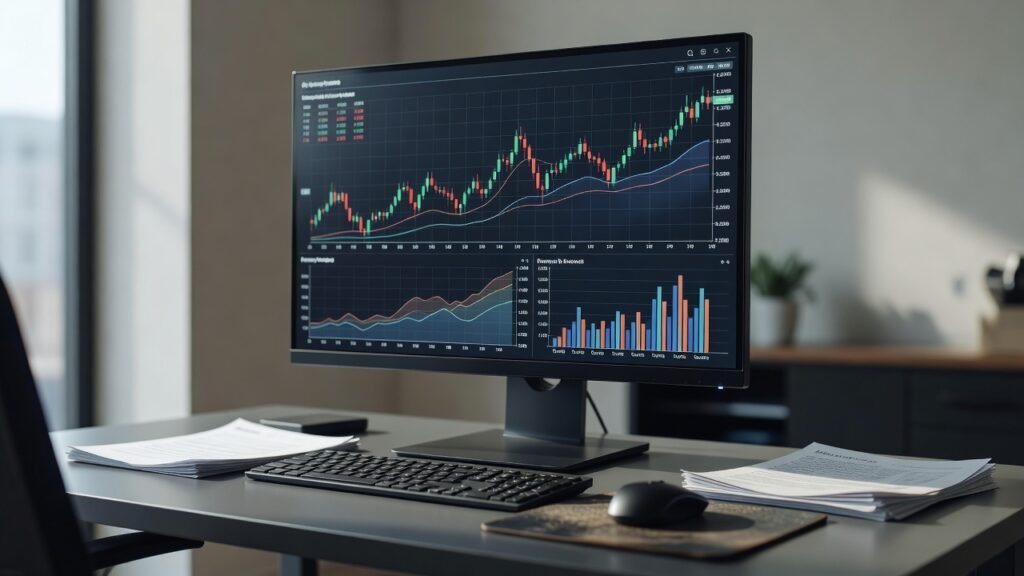
Track win rate, average win size, and average loss size after every twenty trades. These numbers reveal whether your edge is growing or shrinking. Adjust position size only when the numbers stabilize.
How long before mock stock results appear in live trading?
Most traders notice clearer decision-making after four to six weeks of daily sessions. The key is consistency rather than volume. Short focused sessions beat long unfocused ones every time.
Where does World of FJU fit into mock stock practice?
One of the later worlds drops you into a live candle market that runs exactly like a mock stock session. You take long and short positions while a 10-second quiz timer forces fast pattern recognition. The Bot Lab then lets you tune MT5-style inputs so the robot logic matches real automation settings.
World of FJU is educational. Trading real money carries risk of loss. In-game currency has no guaranteed value. Games with wagering or affiliate mechanics should be played for fun and learning, not income.
Out of invite codes? Our Discord is where players hand them out and help each other daily: https://discord.com/invite/Vg7CMseeU7
Frequently Asked Questions
Is mock stock the same as paper trading?
Yes. Both terms describe risk-free practice that mirrors live market conditions and order flow.
How many trades should a beginner log per week?
Start with twenty to thirty trades across four or five sessions. Focus on quality over quantity.
Can mock stock teach automation skills?
Yes. Running simulated robots with real MT5 inputs shows how settings affect outcomes before any live capital is used.
When should someone move from mock stock to live trading?
Move only after twenty consecutive sessions show stable win rate and controlled drawdowns on the same setups.