

Learn Trading Through Quests and Monsters
You open a quest log and face a monster whose attacks are timed candlestick patterns. You answer correctly or the fight resets. This is how you learn trading through quests and monsters in practice.
- Quests turn chart patterns into repeatable drills.
- Monsters enforce timed decisions under pressure.
- Spaced repetition fixes weak topics automatically.
- Player economies mirror real order flow.
How do quests replace traditional trading lessons?
Quests break trading into small, actionable steps. You accept a task to identify support levels on a live chart. Complete it and the next quest adds volume data. Each step builds directly on the last without extra reading.
- Start with basic candle recognition quests.
- Progress to margin and position sizing tasks.
- Finish with psychology scenarios that test emotional control.
After three quests most players can label a doji and explain its meaning in context.
Why do monsters create better practice than paper trading?
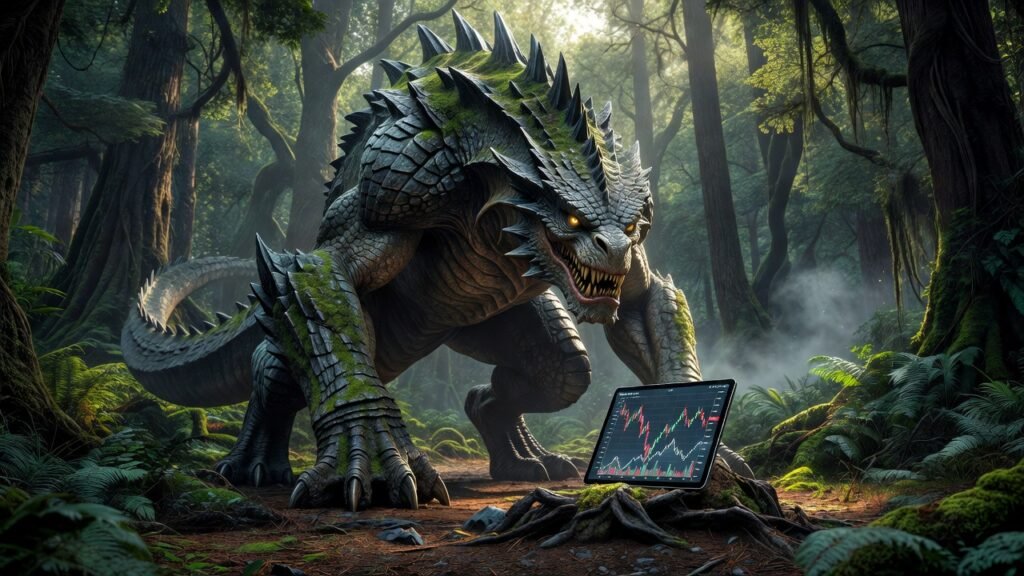
- Boss fights shorten the timer to five seconds.
- Weak areas return through spaced repetition until mastered.
- Victory drops collectible cards that track your progress.
What skills transfer from monster fights to real charts?

- Pattern spotting improves after 20 fights.
- Psychology quests reduce impulsive clicks.
- Automation quests show how robot settings affect outcomes.
How does a live candle market fit inside an RPG?
The market runs on real price data inside the game world. You open long or short positions using the same interface you use for quests. Profits and losses affect your in-game resources directly.
Can you practice automation without writing code?
The Bot Lab lets you adjust MT5-style inputs on simulated robots. Change the stop-loss multiplier and watch the equity curve update. No coding required, yet the settings match real platforms exactly.
Where does World of FJU place these mechanics?
World of FJU runs the quest and monster system across seven worlds that teach in sequence. The fourth world introduces live candles. The sixth world adds the Bot Lab. Clans form around shared progress and in-game commissions only while members stay active.
World of FJU is educational. Trading real money carries risk of loss. In-game currency has no guaranteed value. Games with wagering or affiliate mechanics should be played for fun and learning, not income.
Out of invite codes? Players hand them out daily on Discord: https://discord.com/invite/Vg7CMseeU7
Frequently Asked Questions
Does this method require prior trading knowledge?
No. The first quests start with basic candle shapes and build from there.
How long does one quiz battle take?
Most fights finish in under two minutes including the ten-second timer.
Can I play without downloading anything?
Yes. Everything runs in the browser with no install required.
Are the markets real or simulated?
Live candle data feeds the in-game market while all positions remain virtual.