
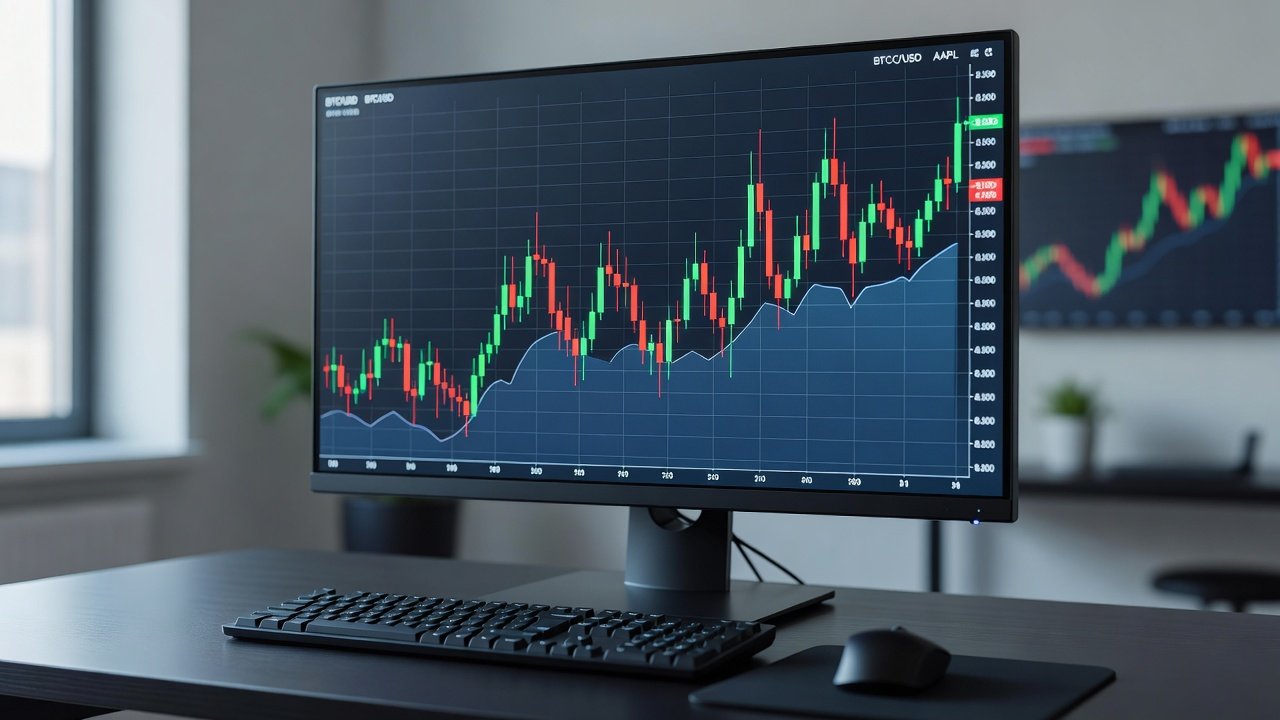
A crypto simulator puts real chart movement, position sizing, and timing into a safe practice space so you build habits that transfer to live markets. You answer the search for practical tools by testing entries, exits, and risk rules without losing money.
- Focus on simulators that use genuine price data and realistic order types.
- Practice under time pressure to mirror live decisions.
- Track every session outcome to spot repeating mistakes.
- Move from manual charts to automated rules once basics feel solid.
What Makes a Crypto Simulator Useful?
You open the tool and see live-style candles moving in real time. The best ones force you to size positions, set stops, and accept slippage exactly as it happens on exchanges.
- Accurate tick data instead of delayed quotes.
- Ability to go long or short with proper margin math.
- Session logs that export to review later.
- Built-in quizzes or challenges that revisit weak topics.
How to Choose the Right Crypto Simulator
Start with your main goal. If you want chart fluency, pick one with clean candles and minimal distractions. If automation interests you, look for rule-based bots you can tune.
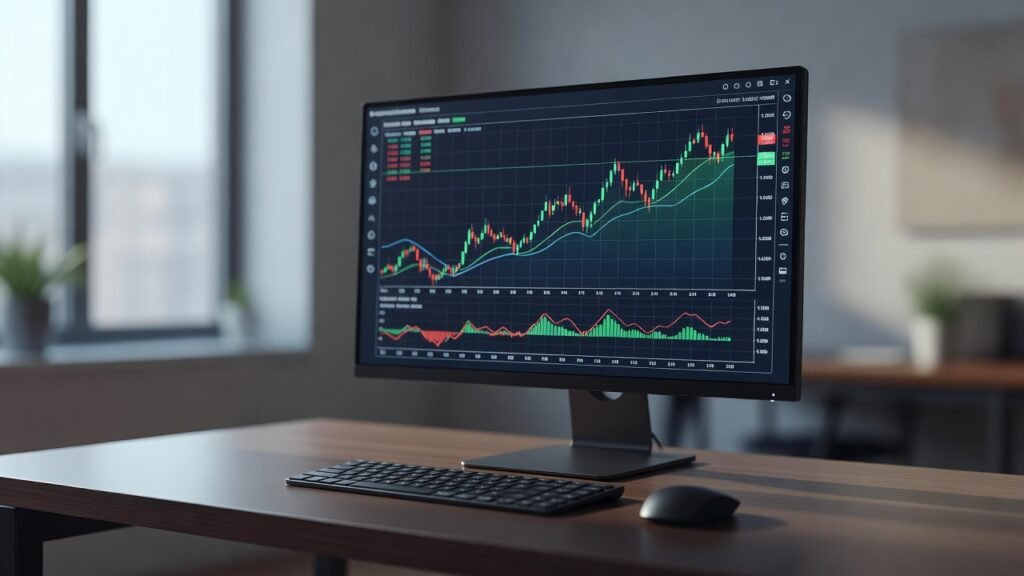
Compare three factors before you commit time:
- Data freshness: does the feed match public exchange prices?
- Order types: market, limit, stop-loss, and trailing stops?
- Review tools: exportable trade history and equity curves?
Building a Daily Practice Routine
Set a fixed window each day, even fifteen minutes. Open the simulator, load a volatile pair, and trade three setups only. Log the reason for entry, the stop, and the target before you click.
- Review yesterday’s screenshots first.
- Limit yourself to two instruments to avoid overload.
- End the session by writing one improvement for tomorrow.
Adding Automation Without Losing Control
Once manual trades feel consistent, move to simple rules. Code or configure a basic trend-following script inside the simulator and watch how it handles drawdowns.
Adjust one variable at a time: period length, risk per trade, or filter strength. Note the equity change after fifty simulated trades before you change anything else.
Why Spaced Repetition Beats Cramming
Weak areas return automatically in good simulators. Missed stop-loss discipline or over-leveraging shows up again until the pattern sticks. You learn faster because the system adapts to your errors rather than letting you skip them.
Connecting Practice to Real Markets
Skills from a crypto simulator transfer when you keep the same rules. The same candle patterns, risk percentages, and psychology drills appear whether you trade on an exchange or inside a game world. One world in particular uses timed quiz battles and a Bot Lab that mirrors MT5 expert advisors so the settings you tune carry over directly.
World of FJU runs entirely in the browser with no download and uses real-style candles plus player markets to let you test those same habits against others.
World of FJU is educational. Trading real money carries risk of loss. In-game currency has no guaranteed value. Games with wagering or affiliate mechanics should be played for fun and learning, not income.
Out of invite codes? Players share them and answer questions daily in our Discord: https://discord.com/invite/Vg7CMseeU7
Frequently Asked Questions
Does a crypto simulator use real money?
No. You practice with virtual balances while the price feed stays realistic.
How long before skills transfer to live trading?
Consistent daily sessions for several weeks usually produce noticeable improvement in decision speed and risk control.
Can I export my trade history from most simulators?
Many allow CSV export so you can analyze win rate, average R-multiple, and drawdown outside the tool.
Is automation included in good crypto simulators?
The stronger ones let you build or tune simple rule sets and backtest them on historical data inside the same environment.