

When players search for browser games like RuneScape with real economy mechanics, they are usually hunting for that specific feeling of a living, breathing virtual marketplace where supply and demand dictate everything. You want a game where gathering resources, crafting goods, and trading with other players actually matters, all without needing a high-end gaming PC or a massive file download. The appeal lies in complexity, patient progression, and an open market where your choices shape your standing.
- Virtual economies thrive on genuine player interaction and transparent supply chains.
- Browser-based formats allow instant access without installation friction or heavy hardware requirements.
- Deep economic loops reward patience, strategic planning, and understanding market sentiment.
- Modern titles combine classic sandbox trading with educational depths that translate to real-world financial literacy.
What Makes a Virtual Economy Feel Alive?
An in-game economy fails the moment items become weightless or prices are rigidly fixed by non-player characters. To capture the magic of classic sandbox MMORPGs, a world needs scarcity, risk, and true player-to-player commerce. When every log cut, ore mined, or weapon crafted must find a buyer on an open market, the game transforms from a simple checklist into a dynamic simulation of commerce.
In these persistent worlds, you are never just fighting monsters. You are analyzing trends, hoarding resources during shortages, and undercutting competitors to clear your inventory. The satisfaction comes from starting with nothing, learning the nuances of the regional trade routes, and eventually controlling a substantial share of the virtual wealth through sheer strategic foresight.
- Open order books where players set their own buying and selling prices.
- Interdependent crafting professions that require materials from diverse regions.
- Risk mechanics that remove items from circulation, preventing permanent inflation.
- Direct player-to-player trading without artificial restrictions.
The Appeal of No-Download Browser MMORPGs
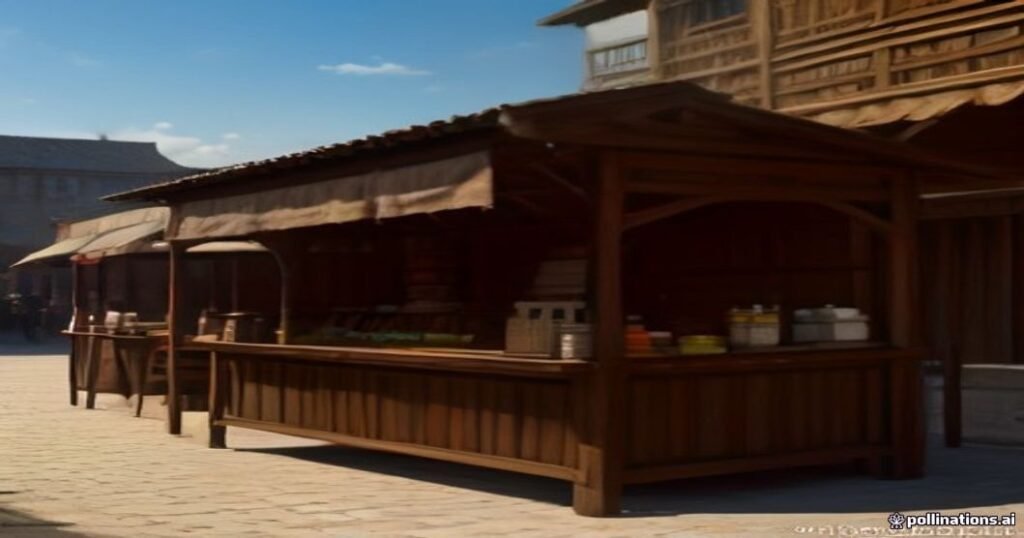
The modern gamer is busy. Spending hours downloading fifty-gigabyte clients just to test a new title is a major barrier. Browser games fill a crucial gap by letting you open a tab, log in, and pick up right where you left off. Whether you are checking your market orders during a quiet moment at work or diving into a multi-hour session on your home laptop, accessibility is the ultimate quality-of-life feature.
Despite running entirely inside a standard web browser, modern text and graphical hybrids offer staggering depth. They strip away flashy graphical gimmicks to focus entirely on core game loops, progression systems, and community interaction. You get robust guild structures, global chat channels, and complex progression trees that rival standalone client-based games.
- Instant access from any device with a modern web browser.
- No patches, background launchers, or storage management required.
- Text and light graphical interfaces that load in a fraction of a second.
- Focused gameplay loops that respect your time and attention.
How Player-Driven Markets Teach Transferable Skills

There is a fascinating overlap between hardcore gamers and financial analysts. Both groups love finding inefficiencies, tracking price movements over time, and managing risk. When a game implements a true player-driven market, participants naturally pick up foundational concepts of supply, demand, liquidity, and emotional discipline.
Instead of reading a dry textbook about market psychology, you experience it firsthand when you panic-sell an inventory of rare drops after a sudden price crash. You learn why diversification matters when a single patch note renders your favorite crafted item obsolete. These lessons stick precisely because there are real stakes within the game world, even if the currency itself is entirely virtual.
- Recognizing accumulation and distribution phases in market price charts.
- Managing inventory risk and avoiding over-leveraging on single items.
- Understanding the emotional trap of FOMO when prices surge unexpectedly.
- Calculating profit margins across multi-step crafting recipes.
From Grinding Resources to Mastering Market Sentiment
Every veteran of economic RPGs remembers the transition from physical grinding to smart trading. Early on, you spend your hours swinging an axe or fighting low-level creatures for basic materials. Eventually, you realize that the real profit belongs to the middlemen, the merchants who buy low in Candle Forest and sell high near the bustling hubs of the map.
This evolution requires a shift in mindset. You stop viewing items as tools for your own character and start viewing them as fluid assets. You begin paying attention to what other players are doing, which quests are bottlenecking progression, and which rare drops are currently in highest demand across the server factions.
- Identifying high-demand bottleneck items required for advanced progression.
- Establishing trade monopolies on specific regional crafting components.
- Timing your market entries around community events and updates.
- Reinvesting virtual profits into scaling up your trade volume.
Finding Depth in World of FJU
If you enjoy the persistent progression and economic depth found in classic sandbox titles, World of FJU offers a fresh spin on the genre by combining a browser RPG framework with a live candle market, automated trading robot simulations, and intense quiz battles across seven distinct worlds. You will journey from Greenfield Village all the way to FJU Citadel, mastering professions, joining clans, and trading with fellow adventurers in a purely virtual environment designed to test your strategy.
Please note that World of FJU is an educational simulation designed strictly for learning and entertainment. Trading real-world financial instruments carries a high risk of capital loss, and virtual in-game currencies have no real-world monetary value or guaranteed worth.
Ready to test your market skills? World of FJU is entirely free and invite-only. Ask any active player for an invite code, or request one in the Discord, where community members hand them out daily: request an invite code in the Discord.
Frequently Asked Questions
What defines a player-driven economy in a browser game?
A player-driven economy relies entirely on open market orders where players set prices, gather materials, and trade goods directly with one another without NPC price controls.
Can you play deep RPGs directly in a web browser?
Yes, modern browser RPGs utilize efficient web technologies to deliver complex progression systems, persistent markets, and multiplayer features without requiring any downloads.
Do economic simulation games help you learn real skills?
Playing games with complex virtual markets naturally teaches core concepts like supply and demand, risk management, asset valuation, and emotional discipline.
How do you access World of FJU?
World of FJU is a free browser RPG that requires an invite code to register. You can obtain a code from an existing player or by requesting one in the official community Discord server.