
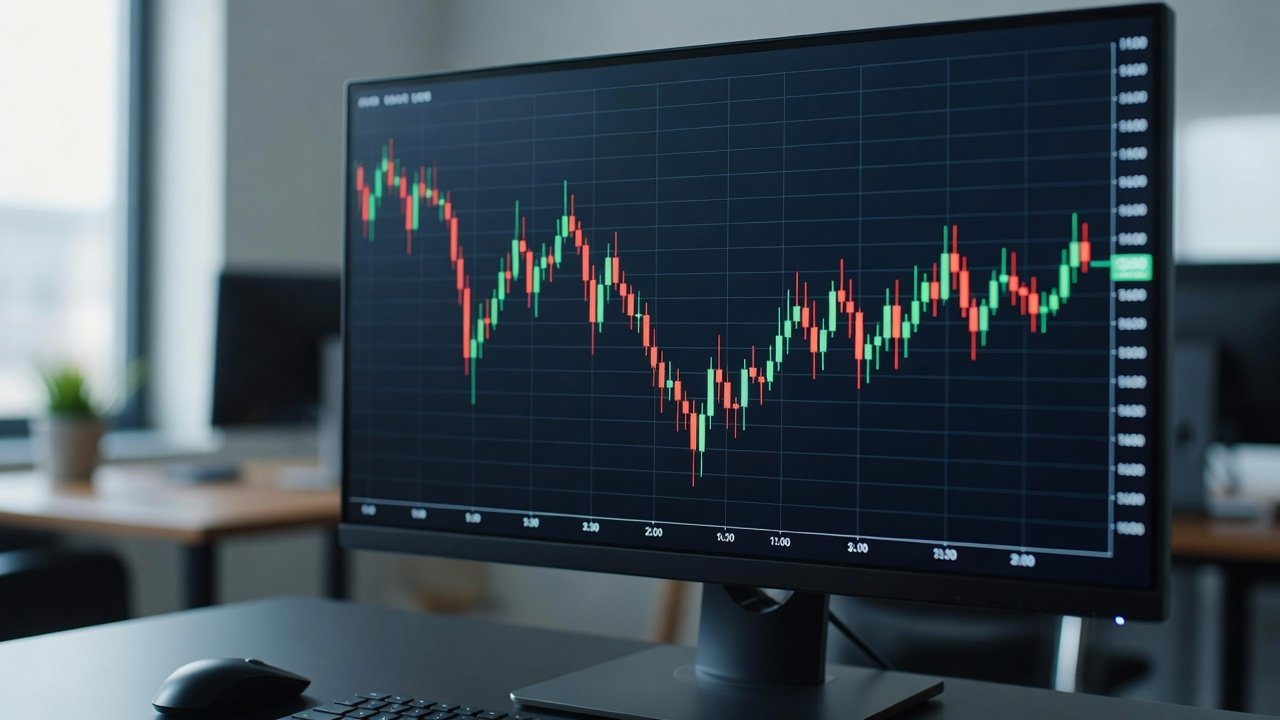
A trading game lets you practice real market mechanics like reading candles, managing margin and tuning automation without risking actual capital. The best examples turn every session into deliberate practice that transfers directly to live charts.
- Look for timed quiz battles that use spaced repetition on weak topics.
- Choose games where robot settings match real MT5 inputs exactly.
- Player-to-player trading and wagered duels create genuine price discovery.
- World progression should move from basics to confluence and automation in order.
How does a trading game teach candle reading without lectures?
You open a position on a live candle market inside the game. A 10-second timer forces quick decisions while the chart updates in real time. Wrong answers spawn the same pattern again later through spaced repetition, so the pattern sticks.

- Greenfield Village starts with basic green and red candles.
- Each correct identification unlocks the next world with added wicks and volume.
- Boss fights shorten the timer to five seconds and mix three patterns at once.
What makes risk and margin lessons stick in a game setting?
Margin calls happen inside the game exactly when your equity drops below required levels. You lose the position and the in-game satoshi you staked. That immediate feedback trains position sizing faster than any worksheet.
Practical checks before you start
- Does the game display margin percentage live during every trade?
- Can you short as easily as you go long?
- Are there daily limits that prevent over-leveraging while learning?
Why do traders prefer RPG mechanics over plain simulators?
Quests force you to combine indicators with psychology events such as revenge trading after a loss. Collectible cards reward consistent small wins. Player duels let you test ideas against other humans instead of scripted bots.

How does a Bot Lab turn game time into real automation practice?
The lab uses genuine MQL5-style inputs. Changing a moving-average period or stop-loss multiplier inside the game produces the identical result you would see when you copy those numbers into an actual Expert Advisor later.
- Test one variable at a time while the rest stay fixed.
- Run the robot on historical in-game data before live deployment.
- Share settings with clan members for quick feedback.
Where does World of FJU fit into this picture?
In FJU Citadel the final mastery trials combine every prior skill under live market conditions. You face a boss that mixes psychology pressure with automated order flow while your tuned robot runs in the background. The experience shows exactly which parts of your process still need work.
World of FJU is educational; trading real money carries risk of loss. In-game currency has no guaranteed value. Games with wagering or affiliate mechanics should be played for fun and learning, not income.
Out of invite codes? Our Discord is where players hand them out and help each other daily: join the World of FJU Discord.
Frequently Asked Questions
Is a trading game better than paper trading on a real platform?
A trading game adds quests, repetition and social pressure that plain paper trading usually lacks, so most players retain more.
Do I need prior trading knowledge to start?
No. The first worlds teach candle basics and simple risk rules before any live positions appear.
Can the skills transfer to real accounts?
Mechanics such as reading confluence and tuning robot inputs are identical to those used on live platforms, so practice carries over directly.
Is registration free?
Yes. The game is browser-based and free to play once you receive an invite code from the Discord community.