
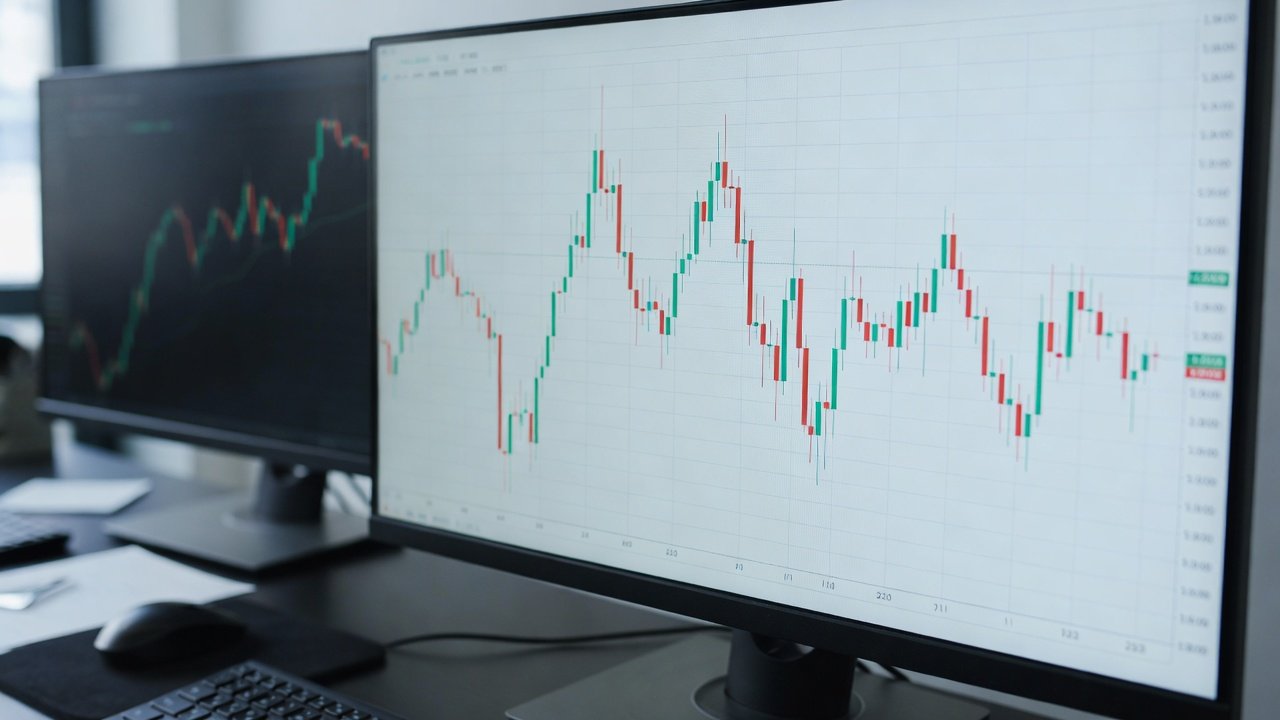
Browser RPG vs stock trading reveals direct skill overlap when quests force you to read candles, manage risk and react under time pressure. You finish the first 60 words already knowing the comparison: RPG progression systems map cleanly onto market practice without any pay-to-win shortcuts.
- Timed quiz battles train the same focus required for live entries.
- Player-driven markets inside the game mirror real order flow.
- Spaced repetition on weak topics beats passive chart watching.
- Bot Lab settings translate directly to real MT5 inputs.
How does a browser RPG build trading reflexes faster than paper trading?
You open a chart and the next candle prints. In a browser RPG the same moment arrives as a 10-second quiz battle against a boss. Miss the pattern and the monster hits harder. The pressure matches live margin calls without real money on the line.

- Five-second boss timers force instant recognition of support breaks.
- Spaced repetition returns missed topics until accuracy sticks.
- Each win unlocks the next world that adds margin and psychology layers.
What separates live in-game markets from static stock simulators?
Static simulators replay old data. Live markets inside a browser RPG let every player place long or short positions that move the candle in real time. You see your own order affect the book the same way a small retail trade moves thin crypto pairs.
Order flow differences you notice immediately
- Player sells push price down while you watch.
- Clans coordinate large buys that create visible liquidity walls.
- Daily resets keep the market fresh without historical bias.
Why do RPG quest structures outperform typical trading courses?
Quests break complex ideas into 175 bite-size tasks. You cannot skip ahead until the current world’s risk rules are proven in battle. That forced sequence prevents the common mistake of jumping to indicators before understanding position sizing.

Quest flow that mirrors real learning curve
- World 1: basic candle reading
- World 3: margin and liquidation risk
- World 5: confluence with multiple indicators
- World 6: Bot Lab robot tuning
Can player-to-player trading inside an RPG teach order execution?
Yes. When you list a card or resource for sale, you set price, watch counter-offers and adjust in seconds. The same mechanics appear later when you place limit orders on the live candle market.
Where does World of FJU fit into this comparison?
The Bot Lab lets you load genuine MT5-style inputs, run the robot against live in-game prices and tweak settings until the equity curve matches what you would see on a real platform. That single feature closes the gap between game and brokerage account.
World of FJU is educational. Trading real money carries risk of loss. In-game currency has no guaranteed value. Games with wagering or affiliate mechanics should be played for fun and learning, not income.
Out of invite codes? Our Discord is where players hand them out and help each other daily: join the World of FJU Discord.
Frequently Asked Questions
Does browser RPG progress carry over to real accounts?
The mechanics transfer because the inputs in the Bot Lab match real MT5 parameters exactly.
Is the market inside World of FJU manipulated?
No single player controls the order book; all positions are visible and reset daily.
Do you need prior trading knowledge to start?
The first world teaches candle basics through simple quests before any live positions open.
How long until the skill feels usable outside the game?
Most players report clearer chart reading after finishing the first three worlds and the Bot Lab tutorial.